The Temperature No One Is Monitoring
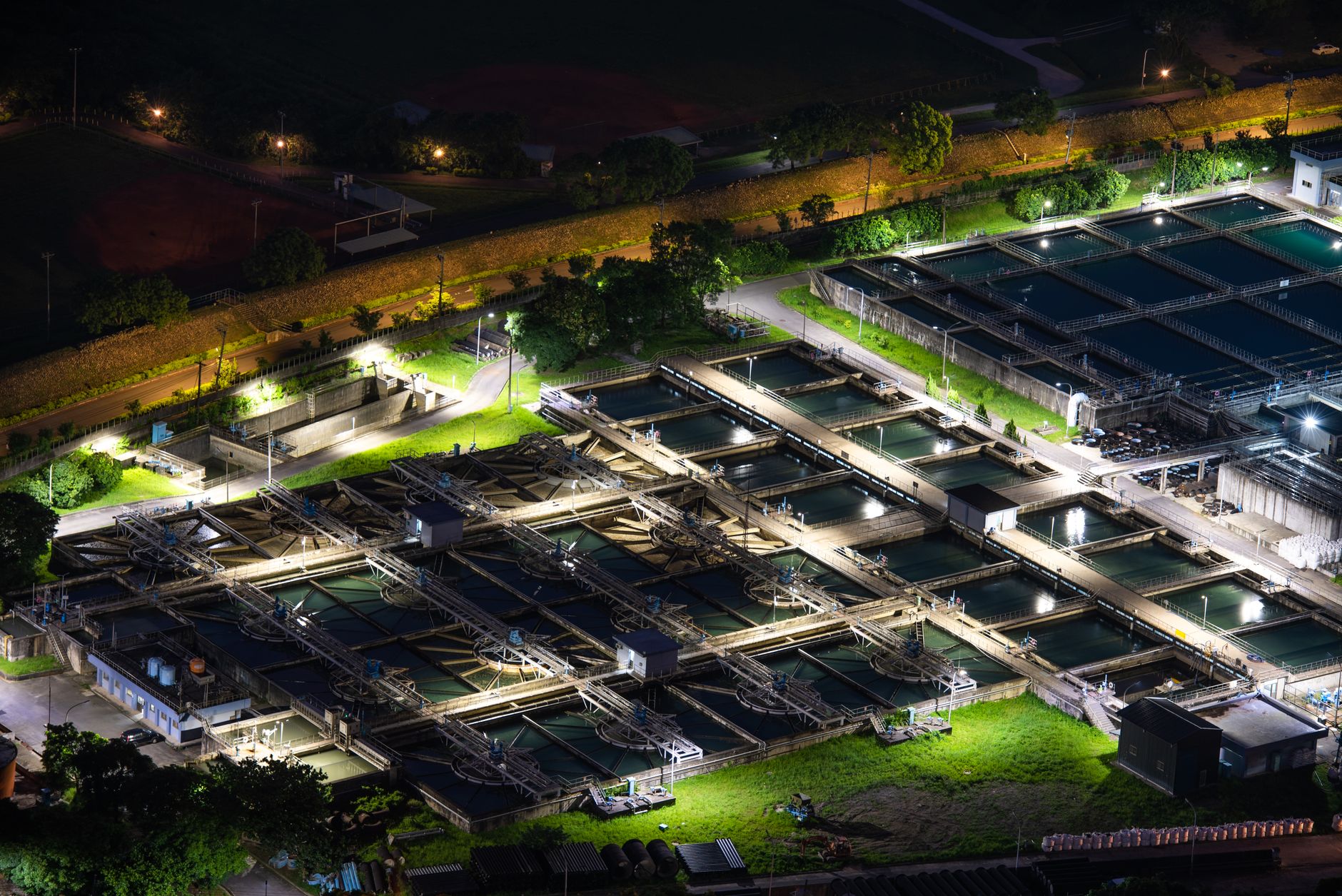
On May 26, 2026, researchers published findings linking climate warming to a measurable spike in antibiotic resistance genes (ARGs) in Salmonella strains across South Asia. But the study buried its most alarming datapoint: India’s urban wastewater systems are experiencing temperature increases 2.8°C above ambient air warming — a phenomenon scientists are now calling “sewage heat islands.”
In practical terms, the water flowing beneath Chennai, Delhi, and Mumbai now exceeds 35°C (95°F) for extended periods during summer months. At these temperatures, horizontal gene transfer — the mechanism by which bacteria swap resistance genes — accelerates by 40-60%. We’re not just dealing with warmer weather. We’re dealing with underground bioreactors optimized for creating superbugs.
Dr. Ramanan Laxminarayan, founder of the One Health Trust in Bengaluru, told researchers this week that India is witnessing resistance patterns “we didn’t expect to see until 2035.” The timeline has collapsed by nine years.
Why Sewage Heats Faster Than Air
The sewage heat island effect has three accelerants, all amplified in Indian cities:
1. Urban heat retention: Concrete absorbs 30% more heat than soil. That stored thermal energy transfers directly into underground drainage systems. A study of Delhi’s sewage network (published May 25) found nighttime wastewater temperatures staying 4-6°C warmer than surface air.
2. Industrial thermal pollution: Textile units in Tiruppur, chemical plants in Gujarat, and food processing facilities nationwide discharge hot effluent directly into municipal drains. In Surat, wastewater entering treatment plants averages 38-42°C year-round.
3. Shallow, uninsulated infrastructure: Unlike Northern European systems built 2-3 meters underground, many Indian sewage lines sit less than 1 meter below surface, with zero thermal buffering. They’re essentially solar ovens.
The result: bacteria that would normally take 72 hours to exchange resistance genes are doing it in 28-36 hours. Evolution is running on fast-forward.
The Antibiotic Economy Breaks
India consumes 5.7 billion antibiotic doses annually — highest in the world in absolute terms. The pharmaceutical industry generates $4.2B from antibiotic sales domestically, with another $18B in export revenue from generic antibiotics produced primarily in Hyderabad and Vadodara.
This new research creates three immediate economic fractures:
First-line antibiotic obsolescence is accelerating. Drugs like ciprofloxacin and azithromycin — mainstays of Indian clinical practice — are showing 60-75% resistance rates in urban Salmonella samples. The effective lifespan of a new antibiotic, once 15-20 years, is now 6-8 years in Indian conditions. Pharma companies are facing a treadmill where R&D can’t outpace resistance evolution.
Agricultural antibiotics face regulatory pressure. India’s poultry and aquaculture industries use approximately 3,200 tons of antibiotics annually, much of it discharged into water systems. With the WHO now tracking ARG density in Indian waterways weekly, the Ministry of Fisheries, Animal Husbandry and Dairying faces pressure to ban colistin (a last-resort antibiotic) from livestock use by Q3 2026. Industry groups estimate this could reduce poultry yields by 8-12%, raising chicken prices 18-25 rupees per kg.
Medical tourism economics shift. India’s $9B medical tourism industry depends heavily on its reputation for safe, affordable surgery. But post-operative infection rates in tier-2 cities are climbing. A patient flying to Kochi for knee replacement now faces a 4-6% chance of a drug-resistant infection, up from 1.5% in 2023. Insurance actuaries are repricing policies; some EU insurers have already increased premiums for India-based procedures by 30-40%.
The Infrastructure Reckoning
Here’s where the cross-domain impact gets expensive.
The National Mission for Clean Ganga (NMCG) and Atal Mission for Rejuvenation and Urban Transformation (AMRUT) have invested ₹1.2 trillion ($14.4B) in wastewater treatment since 2019. Almost none of it accounted for thermal management as a design parameter. Engineers focused on biochemical oxygen demand (BOD) and total dissolved solids (TDS) — not temperature.
Retrofitting India’s 816 operational sewage treatment plants with cooling systems would cost an estimated ₹340,000 crore ($40.8B) according to preliminary assessments by the Central Public Health and Environmental Engineering Organisation (CPHEEO). That’s roughly equivalent to India’s entire railway capital expenditure for two years.
Municipal bonds for tier-2 cities are already feeling pressure. Moody’s Local India unit downgraded credit outlooks for Nashik and Rajkot in May 2026, citing “unforeseen sanitation infrastructure liabilities.” The rating agency specifically mentioned ARG contamination as a long-tail fiscal risk.
What Solutions Look Like
The encouraging news: India has engineering talent and pilot projects already running.
Constructed wetlands with thermal buffering are being tested in Pune’s Kothrud district. By routing wastewater through shallow, vegetation-covered ponds before treatment, temperatures drop 7-9°C naturally. Cost: ₹180 per capita vs. ₹2,400 for mechanical cooling.
AI-optimized dosing systems developed by IIT Madras are reducing antibiotic use in aquaculture by 35% through real-time water quality monitoring. The system costs $1,200 per hectare of fish farm — payback period is 14 months.
Decentralized treatment clusters in Bengaluru are processing wastewater within 500 meters of generation, preventing thermal buildup in long trunk lines. Each cluster serves 2,500-5,000 people and costs 60% less than centralized plants when land acquisition is factored in.
The Indian Council of Medical Research (ICMR) is launching a ₹450 crore “Thermal AMR Surveillance” program in July 2026, deploying sensors across 200 cities to create real-time heat maps of resistance hotspots.
The Geopolitical Wildcard
India supplies 20% of the world’s generic antibiotics and 40% of vaccines. If resistance renders existing antibiotics ineffective faster than expected, global supply chains face a crunch. The U.S., EU, and African nations are heavily dependent on Indian pharmaceutical exports.
This creates leverage. India could position itself as the leader in thermally-adaptive antibiotic development — drugs specifically designed to remain effective in high-temperature, high-resistance environments. Early movers in this space (like Hyderabad-based Biological E and Ahmedabad’s Cadila) are already filing patents for heat-stable formulations.
There’s also a development finance angle. The World Bank’s $1.2B India sanitation portfolio is up for renewal in 2027. Adding thermal resilience criteria could unlock another $3-4B in climate-health financing, positioning India to set global standards for tropical wastewater management.
Key Takeaway
India’s sewage systems have become unintentional evolution engines, breeding antibiotic-resistant bacteria at unprecedented speed due to temperature spikes no one designed for. This forces a choice: spend $40B redesigning urban sanitation infrastructure, or watch healthcare costs spiral as common infections become untreatable. The smart money is on India turning this crisis into competitive advantage — becoming the first nation to engineer wastewater systems for a warming world, then exporting that expertise to every tropical megacity on Earth.
Key Takeaway: India’s urban wastewater systems are heating 2-3°C faster than air temperatures, creating perfect incubators for antibiotic-resistant bacteria. This isn’t just a health crisis — it’s reshaping pharma R&D priorities, municipal bond risk assessments, and could force a $40B redesign of India’s sanitation infrastructure.
Source Signals
Deep research published daily on AtlasSignal. Follow @AtlasSignalDesk for more.
This report was produced with AI-assisted research and drafting, curated and reviewed under AtlasSignal’s editorial standards. For corrections or feedback, contact atlassignal.ai@gmail.com.