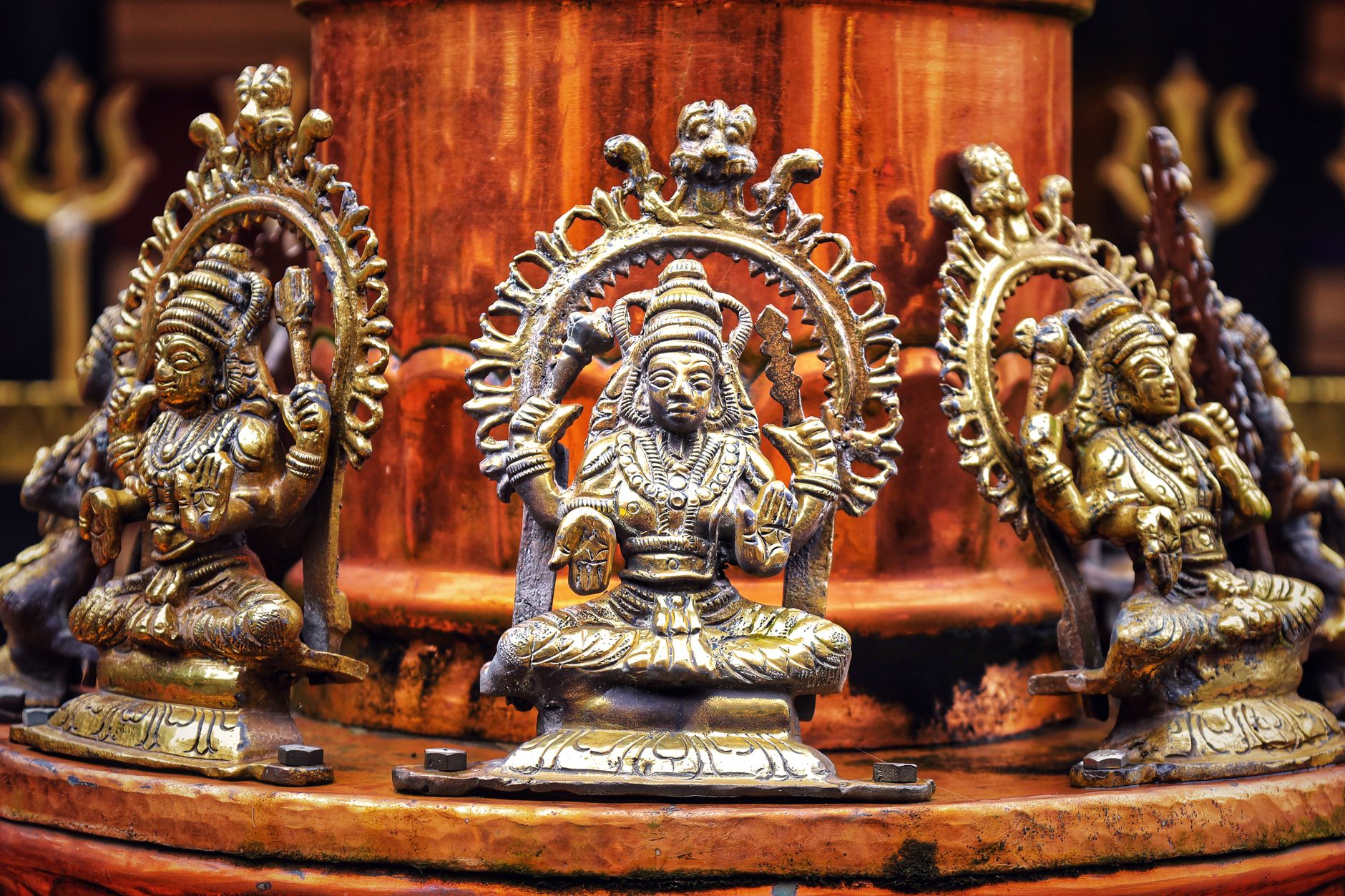
The ₹1.2 Lakh Crore Elephant in the Room
On May 29, 2026, the administrative panel of Kerala’s Sree Padmanabhaswamy Temple—home to an estimated ₹1.2 lakh crore ($14.4 billion) in inventoried treasure—publicly demanded disciplinary action against police officials for submitting what they termed a “false report” to the Supreme Court. The specific details of the alleged falsehood remain sealed in court documents, but the institutional fracture it reveals is anything but minor.
This isn’t a story about one temple’s administrative spat. It’s a canary-in-the-coalmine moment for India’s entire religious endowment governance framework—a Byzantine system managing over ₹2.5 lakh crore in assets across 400,000+ Hindu temples that simultaneously answers to secular courts, state bureaucracies, traditional priestly hierarchies, and devotee communities. And right now, nobody seems to be in charge.
The Accountability Trilemma
India’s major temples operate under a unique post-independence arrangement: secular state control over religious endowments, theoretically to prevent mismanagement and ensure public access. The Padmanabhaswamy Temple has been under Supreme Court oversight since 2011, following the discovery of vaults containing gold coins, precious stones, and artifacts accumulated over centuries.
Here’s the trilemma emerging from the May 29th incident:
State Authority Without Religious Legitimacy: Police and bureaucrats file reports to courts about temple administration, but lack the cultural capital to interpret traditional practices. When the temple panel calls a report “false,” they’re often challenging not facts but framing—whether secular authorities even understand what they’re regulating.
Traditional Authority Without Legal Standing: The temple’s administrative panel includes royal family representatives and priests who commanded absolute authority for centuries. But in contemporary India’s legal framework, their objections are just another stakeholder input to courts. They can demand action; they cannot compel it.
Judicial Authority Without Domain Expertise: The Supreme Court has been adjudicating Padmanabhaswamy matters for 15 years, yet judges rotate and institutional memory fragments. Each “false report” controversy requires the court to re-learn complex temple protocols, financial accounting practices dating to the 16th century, and the political dynamics of Kerala’s religious landscape.
The Fracture Lines Are Multiplying
The Padmanabhaswamy case isn’t isolated. Just two days later, on May 30th, the Govindaraja Swamy Temple in Tirupati commenced its Brahmotsavam chariot procession—a nine-day festival that will draw an estimated 500,000 pilgrims and generate ₹200+ crore in offerings. The Tirumala Tirupati Devasthanams (TTD), which administers this temple, operates under the Andhra Pradesh Endowments Department with a different governance model than Kerala’s.
TTD’s annual revenue exceeds ₹3,200 crore, making it one of India’s richest religious institutions. Yet it faces recurring controversies over:
- Procurement scandals (₹300 crore ghee contract investigations in 2024-25)
- Revenue diversion allegations (state government allegedly siphoning funds for secular programs)
- Ritual authenticity disputes (non-Hindu board members making decisions about Hindu practices)
The common thread? Hybrid governance without clear accountability chains. When something goes wrong—a false report, a procurement irregularity, a ritual violation—there’s no obvious authority to hold responsible. State bureaucrats blame traditional administrators. Traditional administrators appeal to courts. Courts order police investigations. Police file reports that temple panels call false. The loop closes.
The Water Temple Precedent
The May 30th news about the Mettur Dam potentially not opening for irrigation on June 12th provides an unexpected parallel. Tamil Nadu’s Mettur Dam, which irrigates 2.7 lakh acres in the Cauvery delta, operates under transparent bureaucratic control with clear decision-making authority. When the Public Works Department says “insufficient storage” (current level: 67.95 feet against capacity of 120 feet), farmers know exactly who made the decision and can petition accordingly.
Contrast this with temple administration: When the Padmanabhaswamy administrative panel disputes a police report, there’s no equivalent transparency about who reviewed the report, what evidence was considered, or what appeals process exists. The temple’s treasure inventory itself has been stalled since 2020 due to disputes over which authority should conduct it—royal family representatives, Supreme Court commissioners, or Archaeological Survey of India experts.
The ₹2.5 Lakh Crore Question
India’s temple endowments aren’t just religious assets—they’re a parallel financial system:
- ₹45,000+ crore annual revenue across major temples (conservative estimate)
- 12 million+ employment (priests, support staff, artisans, suppliers)
- Pilgrimage economy: ₹1.2 lakh crore annually including transport, hospitality, offerings
- Cultural capital: Intangible value in social cohesion, identity, and soft power
Yet this system operates with governance frameworks designed in the 1950s-70s, before digital transparency, RTI laws, or modern institutional accountability standards. The Padmanabhaswamy “false report” controversy crystallizes the dysfunction:
No one disputes that some report was filed. But who verifies police reports about temple administration? Who adjudicates between secular bureaucratic framing and traditional institutional knowledge? When the administrative panel demands “action,” what accountability mechanism exists to ensure proportional response?
Three Forward-Looking Implications
1. Governance Model Fragmentation (2026-2028)
Expect states to diverge sharply in temple administration approaches. Karnataka is piloting a hybrid board model with 50% traditional priests, 25% secular experts, 25% devotee representatives. Kerala may move toward full judicial oversight for major temples following Padmanabhaswamy precedents. Tamil Nadu’s DMK government is pushing for complete secular control—risking major devotee backlash that could reshape the 2026 state elections.
The Indian Supreme Court will likely be forced to rule on constitutional limits of state interference in religious endowments within 18-24 months, potentially affecting 400,000+ temples.
2. Digital Transparency as Forcing Function (2026-2030)
The UPI payment revolution has quietly transformed temple offerings—Tirumala alone processes 40 lakh+ digital transactions monthly. This creates machine-readable audit trails that didn’t exist in the cash-offering era. Expect investigative journalists and RTI activists to use payment data to expose discrepancies between reported offerings and actual receipts, forcing accountability reforms.
The “false report” that triggered this week’s controversy may itself be checkable against digital transaction logs within 5 years. Governance-by-spreadsheet could replace governance-by-tradition faster than temple administrators anticipate.
3. The Heritage vs. Access Tension (2027-2032)
As the Padmanabhaswamy case drags on (now entering year 15), a fundamental question emerges: Are temple treasures religious heritage (belonging to the deity and traditional custodians) or public assets (belonging to all citizens under state trusteeship)?
This isn’t academic. The ₹1.2 lakh crore Padmanabhaswamy treasure could fund Kerala’s entire annual budget. Tamil Nadu’s 38,000+ Hindu Religious and Charitable Endowments temples control land worth an estimated ₹3 lakh crore at current valuations. If courts rule these are “public assets,” expect demands for monetization to fund healthcare, education, infrastructure.
The counter-argument—that temples are civilizational trust structures, not government ATMs—has cultural force but uncertain legal standing post-independence.
The Hidden Risk
The greatest danger isn’t corruption or mismanagement—it’s institutional hollowing. When no authority clearly owns outcomes, talented administrators avoid temple boards (“career dead-end with infinite liability”). Priestly families discourage sons from temple service (“why train for 12 years when a bureaucrat with no Sanskrit can overrule you?”). Courts become reluctant to intervene (“we’re judges, not temple accountants”).
The result: India’s richest, most culturally significant religious institutions drift into a governance vacuum where “false report” controversies become routine because there’s no shared epistemic framework for what counts as true.
Key Takeaway
The Padmanabhaswamy Temple’s police report dispute isn’t about one administrative spat—it’s a stress test of whether India’s post-independence model of secular state control over religious endowments can survive contact with 21st-century transparency demands, digital audit trails, and emboldened traditional stakeholders. With ₹2.5 lakh crore in assets and 400,000+ temples caught in accountability limbo, the fracture between state authority and traditional legitimacy will define India’s civic landscape as profoundly as any economic or foreign policy question. The resolution—likely forced by Supreme Court rulings in 2027-28—will either create a workable hybrid governance model or trigger a wholesale renegotiation of religion-state relations in the world’s largest democracy.
Key Takeaway: The Padmanabhaswamy Temple police report controversy reveals a deeper crisis: India’s 4 lakh+ temples under state control are caught in an accountability vacuum where neither traditional trustees nor bureaucrats have clear authority. This affects not just ₹2.5 lakh crore in assets but the fundamental social contract between religious institutions and secular governance in the world’s largest democracy.
Source Signals
- Sree Padmanabha Swamy Temple panel demands action against cops for submitting ‘false’ report
- Govindaraja Swamy’s chariot procession marks Tirupati Brhamotsavams
- Mettur dam may not be opened for irrigation on June 12
Deep research published daily on AtlasSignal. Follow @AtlasSignalDesk for more.
This report was produced with AI-assisted research and drafting, curated and reviewed under AtlasSignal’s editorial standards. For corrections or feedback, contact atlassignal.ai@gmail.com.